Diadora X Patta V7000 & 90S Tracksuit
-
Lookbook
-
Lookbook

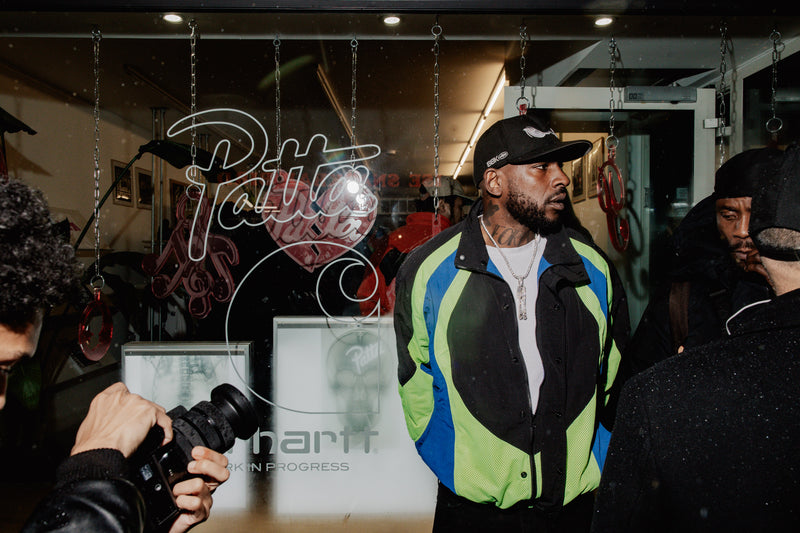
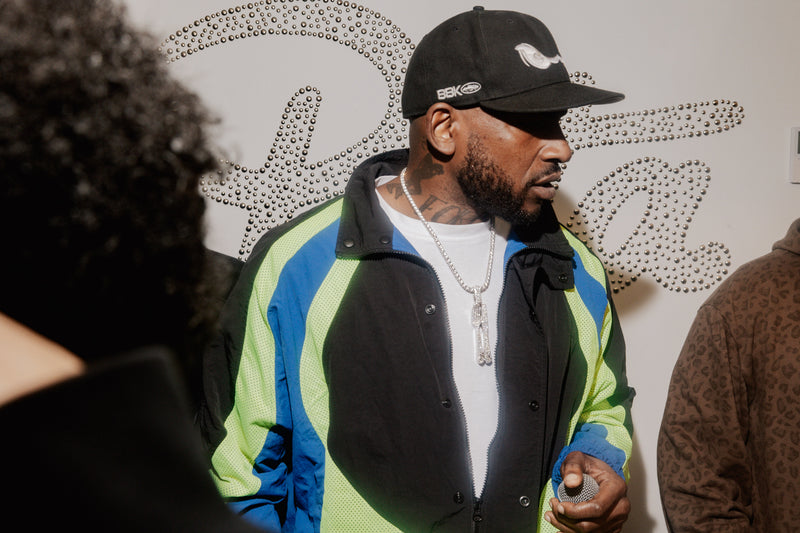
Patta and longtime collaborating partner Diadora return with a brand new project for the holiday season, following up on the recent "From Seoul to Rio" Olympic Pack. This new collaboration project consists of Patta's own take on Diadora's iconic V7000 runner silhouette, paired with an original Diadora 90s archive Tracksuit, both made in Italy.
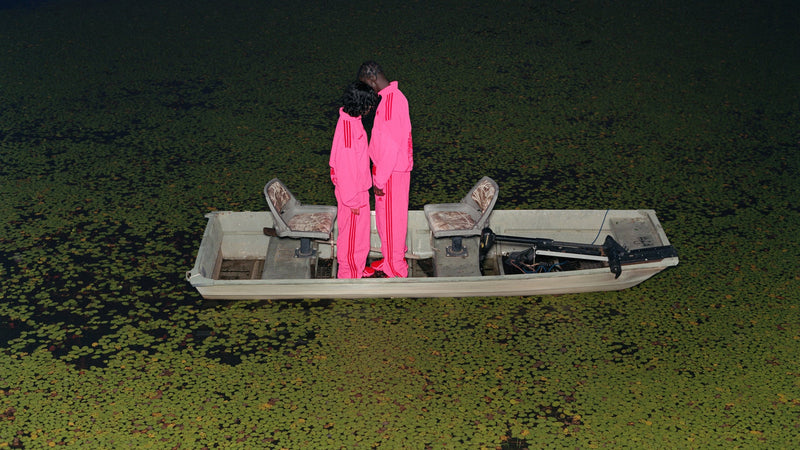
The V7000 model receives a classic runner make up with a honey mustard/white colorway, utilising premium suede and classic nylon mesh materials. The shoes are further accented with hits of purple on the underlays and heel tab, while red is used for striping detail and 3M reflective piping. The shoes are finished with branding from both Diadora and Patta on the tongue, heel counter and sockliner. The V7000 is supplemented with a Diadora x Patta 90s Tracksuit (sold seperately and only available at Patta.) the tracksuit is from the original Diadora 90s archives, updated in a Patta fitting. The track jacket and pants are constructed in a matte black nylon shell with a comfortable lining. Both also feature embroidered details and branding on the chest, collar, zipper, pant leg, and is finished off with a made in Italy-patch.
The Diadora x Patta V7000 and and the 90s Tracksuit (Patta in-store exclusive) are scheduled to release at Patta Amsterdam, Patta London and online at patta.nl on December 23rd. Photography: Vincent van de Waal Model: Necim Abiadh
Related Articles
-
BBBwithluv have released the video for their new song Sun of the Soil, made with Osime. They take you 222 a world of experimental sounds, and the video pairs it with bold Y2K visuals that look both nostalgic and new. Check out the video for Sun of the Soil by BBBwithluv & Osime below. -

Yussef Dayes Live in Ethiopia
Yussef Dayes takes us back to the motherland with Yussef Dayes Live in Ethiopia, a journey of nearly an hour through rhythm and spirit. The South London drummer has reshaped modern jazz, from his breakout with Yussef Kamaal on Black Focus to What Kinda Music with Tom Misch and his acclaimed solo debut Black Classical Music. Here he joins Ethiopian musicians, including the Gun Gun Traditional Band, for a set where London groove meets Ethiopian tradition. Press play and let it carry you.-
Music
-
video
-
-

Mula – 1OP1 / METEN&WEGEN
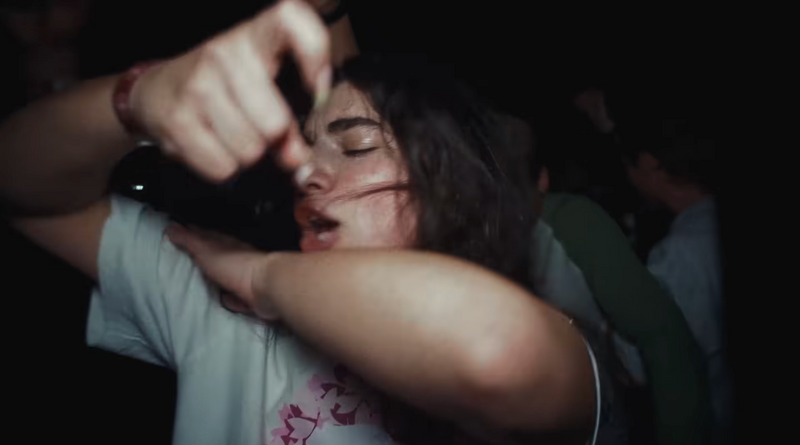
Mula is taking you out for a night you won’t forget. The new double video 1OP1 / METEN&WEGEN is full of booze, joints and chaos, and it plays like a wild night out from start to finish. Check out the video for 1OP1 / METEN&WEGEN by Mula below.-
Music
-
video
-
-

adidas Originals x Sp5der “For the Kids”
For decades, the Three Stripes have belonged to more than one world. From the track to the terraces, from hip-hop stages to schoolyards, adidas Originals has always been worn by the people who shape culture next. Now, the Trefoil links up with Sp5der, for a collaboration built around the idea: “For the Kids.” The collection brings the two worlds together. Neon-bright colors run across the footwear and carry through the line, joining Sp5der’s signature web motifs with the familiar shapes and details of adidas Originals. It’s sportswear heritage seen through Sp5der’s lens, where each brand’s identity stays recognisable while the two blend into something new. At its core, “For the Kids” is about the future. It’s a message Young Thug keeps coming back to: building something that outlasts the moment and passing it on to the ones coming up next. Style handed down. Doors held open. A legacy that keeps moving. Some things are bigger than the drop.The adidas Originals x Sp5der “For the Kids” collection launches Thursday, November 14th, exclusively on patta.nl. Lagos, you’re invited. Join Patta, adidas Originals and Sp5der at WAF Skatepark for a day of music, community and good energy, celebrating the “For the Kids” collection. Come through.-
adidas
-
fashion
-
+1
-
-

Get Familiar: Dahi
Get Familiar: Dahi
Interview by Passion DEEZYou might know Dahi through records like “Money Trees”, “90210” and “Self Care”, but there is more to the person behind the production credits. Growing up, his curiosity took him towards film scores, classical music and rock, and into conversations about faith, life and everything beyond his immediate surroundings. Music became a way of exploring those interests, but also a way of connecting with people he might otherwise never have met. With Black Boy (Alternative), that curiosity gets a world of its own. Built around drums, guitars and a willingness to let collaborators surprise him, the album came together once Dahi made a deliberate decision to give himself the same attention he had spent years giving other artists. For him, “alternative” is about perspective rather than appearance, and making this record meant trusting his own. We caught up with Dahi to discuss stepping beyond the producer label, finding freedom in collaboration and making music that people can carry with them. For anyone getting familiar with Dahi beyond the production credits, how would you introduce yourself? What should we know about the person behind the records?That I’m a pretty easygoing person. I love philosophy and anthropology, but I also love ignorant shit. I think those two things go hand in hand, in terms of who we are culturally, how we are naturally and how we react. Overall, I just try to find the humour in things first and foremost, and deal with the hard stuff after.When I’m making art or music, I’m usually trying to find things that will emotionally pull you. It doesn’t necessarily mean that I’m trying to make you happy; my goal is just to have an emotional draw. That is what I’m looking for when I’m making music.What did your musical world look like growing up? Were there things you loved that didn’t necessarily fit with what your friends were listening to?My musical world was very eclectic, based on what I was exposed to at different stages of my life. Growing up in the inner city, there were always things kids played at school that were considered popular. I thought those things were cool, but I was more pulled towards film scores and classical pieces from musicians across the world. I also loved rock music; that was always pretty prominent and intrigued me growing up.More than anything, I was always interested in meaningful conversations. Surface-level talk was hard for me to pay attention to, so I was always searching for deeper discussions about religion, faith, life and death. I was a curious kid, always exploring things outside of my neighbourhood or what other kids were talking about.You’ve helped so many artists find their sound. When it came to making this album, how did you work out what you wanted to say for yourself?It really came down to what felt unique to me growing up and what I was attracted to. A lot of that was understanding the roots of instruments. There are instruments that everyone plays across the world, like the guitar, but everybody plays them a little differently.Understanding how an instrument like that brings people together is key. You just have to figure out how to break down the divide, whether it’s from a racial, tonal or gender standpoint, to make things feel uniform and understand that it’s all one thing. We just have to listen and pay attention.That idea came to me later in the process of making the album, and it made sense to execute it to make the project feel special.What came first with this album: the title, the sound or something you needed to get off your chest?The sound came first. The title came last, and the message came after I figured out the sound.Black Boy (Alternative) is a title that opens up a lot of conversations. What does alternative mean to you? And why did you put it in brackets?Alternative means perspective. I think that word is powerful in opening people’s eyes because people don’t know what to expect, or they have a preconceived notion of what “alternative” is. They think it’s about the colour of your hair, the clothes you wear or ear piercings. All those things are related to “alternative culture”.But I think, at the end of the day, it’s just perspective and finding your voice, knowing that not everyone is going to agree or understand it, but being okay with that. That is the power of the word.I named the album that, and put it in brackets, because we live in a categorised world where it’s easy to label people, art or things to make sense of them. I just wanted to put it “on front street” what this title means, what this project represents and what feels the most honest to my experience.Have you ever felt that being a Black producer comes with expectations about the music you’re supposed to make? How did those expectations show up while making this record, if at all?Throughout my career, I’ve moved around a lot, pursuing different artists and projects, but I’ve always stuck to my art form. Early on, as I was working on this album, I wanted to rethink what a “producer album” is. I wanted it to feel like an album, period—not just a “producer album”.When I think of a Quincy Jones record, I don’t view it as a “producer album”; I just view it as a dope album. While he’s definitely a producer when working for other artists, at the end of the day, he’s just making good music. That was my goal creatively.I don’t really feel the pressure of those expectations. I tried to establish early on that I just make music. After signing my publishing deal and doing records with Kendrick and Drake, I went to London to work on a pop album with Lily Allen. I’ve worked with artists across all genres, so I’ve always tried to keep my creativity open and avoid being boxed in.It’s a gift and a curse, because when you have a hit, people want more of the same, but I usually try to be spontaneous and do something different that feels special to me.At the end of the day, when someone is listening to a song, they aren’t asking, “Is the person who made this Black?” They’re thinking, “Is it good or bad?” Since I’m not singing on most of the tracks I produce, if the music is good, that’s what matters. I take pride in how I move creatively and in never feeling boxed in by others’ expectations.What changed for you when you dropped DJ from your name? Was that a personal shift, a creative one, or simply catching your name up with who you already were?I dropped the “DJ” just because of where I was creatively and what I wanted to do. I just wanted to stand on my name and have that be it by itself. I still DJ—it’s a huge part of my creative process, and I’m actually DJing more than I have in a while.Overall, I think it’s just collectively bringing everything into one thing and not feeling like it’s under the title “DJ”. The idea of who I am and what I represent is just me, at the end of the day. That’s where I felt the most comfortable being. I like the sound of it, and I like the way it looks as a name, by itself: just Dahi.When you spend years making records with other people, your own ideas can end up waiting their turn. What made you finally give this project the space it needed?It really came down to committing. I had to take time and set it on my calendar to work on my album and nothing else. When I did that, it gave me the focus and energy to complete it and find a path to finish.I had to realise that while I was working on other people’s projects and songs, I needed to give as much attention to myself as I did to other artists. That was the turning point for finishing this project.It’s hard. I’ve always looked at art as vessels, and for a long time, I felt like the artists I was working with had larger voices and could carry my message further than I could. But for my own creative outlet and personal sanity, and to fill what felt like a void in my life, I had to give this project the time and attention it needed.Did being an experienced producer make it easier to trust yourself on your debut, or harder to let something go without questioning every detail?Absolutely. I feel like it comes down to knowing who to have in the room and what people’s skills are, and setting a tone that feels open to let the magic happen.Those are things you learn over your career—knowing that you can’t be too heavy-handed with music; you just have to play. That’s the main thing. Just play and don’t box yourself in.While rules can sometimes be effective, you have to have the space to react to what you’re doing and let the feeling of what you’re making guide you. That was a big part of what made the album work for me.How different is the conversation when you invite someone like Kendrick Lamar or Vince Staples into your world, having already worked inside theirs?To be honest, it was fairly easy because I feel like we’re all left-leaning artists, and we’re searching for something that gives us a unique feeling rather than feeling like certain things are just for everybody.With all the artists on the album, there’s a unity in “the other”—having that otherness be discovered, trying things and seeing what you can make with something that feels unfamiliar.Selling them on the idea, having them listen to it and giving them a perspective of what I want to make helps so much in how they want to write a song or what narrative they want to create. I feel like that happens quite well on the album.With voices as distinct as Fousheé, Moses Sumney, Baby Rose and Ravyn Lenae, how did you decide who belonged on each song? Were you hearing particular people from the beginning?Not really, to be honest. I had people on my wish list, but overall, I was kind of just going with the flow—whoever showed up ended up on the album.I don’t mean that I wasn’t being picky; obviously, there were people I wanted. But if I couldn’t get them, or if they weren’t available, I just worked with what I had. For the most part, the people I called showed up to the studio, I sold them on the idea, and they were all in.By the blessings of God, it just came together. They definitely exceeded my expectations in their performance and lyrically. It’s very rewarding to be surprised when you just let people do what they do, and I was very happy with the results.Can you take us inside a session where someone brought something you would never have thought to ask for, and changed the direction of the record?I’d say working with Moses Sumney on “Find Me” was a great example. I remember we had a song or hook idea, and when Moses came in, he said, “I love what you did, but I don’t really sing other people’s lyrics.”I didn’t know that, which was fun. I told him, “All right, perfect, my man. Well, do what you do. Find some inspiration.”He went into the booth and freestyled those melodies. It was amazing to see because he really helped me see the song. He helped me view the song closer to what I wanted than I might have realised.I feel like “Find Me” is a perfect example of Black Boy (Alternative)—just soul and rock all in one place. His performance really brought home the idea that this album is bringing worlds together in a way I feel we haven’t seen in recent times. I feel like this album has a certain colour that feels unique.Overall, it’s about allowing people the space to create and understanding the power of their voice—how it really is an instrument that you have to know how to use.What holds this album together for you beyond the guest list? What makes every track part of the same story?Drums and guitars—I feel like those two things are the tie that binds the album together. From the African polyrhythms to the different styles of guitar playing, they’re really the backbone of what makes the album feel unique to its own world.That was intentional, and I’m glad it makes sense, especially when listening to the transitions from track to track; those elements really connect everything.From “Money Trees” to “90210” and “Self Care”, people have built real memories around music you helped make. What’s it like hearing someone describe what one of those records means to them?It’s great. Going back to my earlier point, I think music is timeless if you allow it to be. Having records that resonate 10, 15 or 20 years down the line is powerful, especially seeing how these songs have become anthems to a certain degree.For me, I always think about when I made these tracks—being in my bedroom by myself, experimenting and trying things out—and then having the world hear them and react to them. It’s really cool to see the journey of a song.I don’t take it as being about me; it’s just about connection at the end of the day. I’ve been able to travel the world just off of music, which is incredible. Creating relationships with people in other countries through music is crazy—you don’t really understand the power of it until you live it and see how it affects people.That’s why I take what I do seriously; I don’t want to take it for granted. I’m very appreciative of the gifts it’s given me, and I’m always trying to give the music the respect and grace it needs.For Dahi, making this album started with something practical: clearing space in the calendar and giving his own work the attention it deserved. What followed still depended on being open to other people, whether that meant letting Moses Sumney rewrite a song’s possibilities or trusting a collaborator to bring something unexpected into the room. There is room for all of that within his idea of alternative. The point is to find your voice without deciding in advance everything it has to sound like.-
Get Familiar
-
-

3FM on Skepta - The Fork and Knife
The Fork and Knife is finally on the table. Skepta’s long-awaited solo album is here. 3FM sat down with the grime legend for an up-close interview, going deep into everything from the tees to the symbolism behind the album cover. Skepta opened up about his approach, what the album means to him, and why this one hits different. If you missed it, 3FM takes you inside the Patta x Skepta release party.-
interview
-
Music
-
-

New Balance Made in USA 990v7
Since 1982, the New Balance 990 has moved well beyond its original purpose. Born as a premium running shoe, it found its way into everyday uniforms, wardrobes and subcultures around the world, becoming a silhouette that rarely needs an introduction. Now, more than four decades later, New Balance introduces the Made in USA 990v7.The seventh chapter keeps what made the 990 unmistakable while bringing the shape forward. Familiar pigskin suede and breathable mesh are joined by refined leather accents and a streamlined construction, while a softer FuelCell midsole, ENCAP technology and a new TPU midfoot shank bring added cushioning, stability and comfort underfoot.Built around New Balance’s idea of “memories from the future,” the 990v7 looks back without standing still. From marathoners to supermodels. From the streets to dads in Ohio. Some things just work.The New Balance Made in USA 990v7 launches November 6th on patta.nl and at Patta Amsterdam. -

Get Familiar: Raoul Etienne
From a quick Batman sketch drawn by his dad to the Rembrandts and Van Goghs he first saw on a school trip to the Rijksmuseum, Raoul Etienne has always found his own way into art. The Dutch painter spent eleven years as a tattoo artist and built a sneaker brand that took off across Amsterdam and Rotterdam, all while painting for friends and family. His work pulls from anime, the Italian masters and street culture, with one goal at its centre: a message so clear you get it the moment you see it.On All Connected, his first exhibition, he strips the stories of Christianity, Islam and Judaism back to the messages they share. Opening Friday, October 30th at Burgemeester Rendorpstraat, the show presents its paintings as reminders rather than sermons, from an Adam who barely lifts a finger towards God to a canvas that simply reads There's only now. We caught up with Raoul Etienne to talk about his first museum visit, walking away from a church that took more than it gave, red-and-blue 3D paintings and why the time is now. Step inside All Connected and get familiar below.For people getting familiar with you for the first time, can you introduce yourself and tell us about the journey that brought you to making art?I started making art when I was young. I used to look at Rembrandt and Van Gogh. I didn't necessarily love the paintings themselves, but I loved the idea of making art, and that's what pushed me to start drawing and, later, painting. I always kept painting, but I never thought I could turn it into a job. Friends would ask me to make paintings for them and I always did, but to me it was just for fun. So Rembrandt and Van Gogh were the first inspiration, and later on I started to appreciate Da Vinci and Michelangelo too.Was there a lot of art around your house growing up? What were the first things you drew? No, there wasn't a lot of art at home. But my dad could draw the face of Batman really quickly, and I couldn't understand how he just did that. From that moment I started drawing Looney Tunes: Road Runner, Speedy Gonzales, characters like that. My family always told me it looked good, and I'm still not sure if that's because it actually did. I started making drawings for their birthdays, because I was a young boy and didn't have money. Drawing was the only thing I could give. Sometimes I drew portraits of them. That's really where it began.Beyond your father, were there people or places that inspired you? Were you going to exhibitions growing up?Not really. In the last year of primary school, group eight, we went to the Rijksmuseum with the whole class. That's where I saw Rembrandt and Van Gogh for real, the actual paintings, and that was really special. But otherwise I never saw paintings. In the communities and places I came from, there wasn't much art around.You've told me that as a Muslim there are things you are and aren't meant to read, yet your work draws on several faiths. What does your research process look like, and how do you come up with your ideas?It goes back to my mother, who was a Christian woman. From when I was about eight until I was fourteen, we went to church four or five times a week. But that church exploited us. I don't want to say Christianity is bad, but the church we went to wasn't good. They told us a tenth of your salary has to go to God, and then the pastor showed up in a new car while we were poor and sometimes didn't have enough to eat. My mom gave so much, believing she would be blessed, because she was listening to the pastor.Around fourteen, I told her, "Mom, this isn't working." My sister felt the same. For a while I was really angry, and I felt like Jesus and God were all bad. Later, I started reading the Bible myself, without a pastor, trying to understand what it actually says. That's when I realised the message has a strong foundation. If you really understand what's being said, it can change your life.So I started reading the Quran. I haven't finished it, but a friend was teaching me, and I saw that it also made really good points. I began to think there's something in religion we don't see, because we believe in the stories but not in the message underneath them. We listen so much to the stories, the pastor and the imam, that we get clouded. So I asked myself: how can I show the message itself, not the story? I decided to paint it as simply as possible, so that when you see it, you get it, whether you're Muslim, Jewish or Christian. The message is right in your face. That's the inspiration for my paintings.Street culture is a major influence in your work, but that means different things to different people. Which scenes and communities have been important to you, and what have you taken from them?For me, it's anime and Japanese culture. I love how clean it is, and how much care goes into every drawing. You can tell everything is thought through. That was the biggest influence, and I studied it a lot. Tattooing was a big one too. I tattooed for eleven years, and that was the style I worked in most, so it shaped me.I also love the Italian masters, because their work has a bigger meaning and purpose. It's timeless. You can look at it now, or a hundred years from now, and you'll still find a message that speaks to your moment.Beyond that, the way I paint comes from intuition, but also from study. When I'm studying something, I see a picture in my head, and I ask myself how I can make that picture easy to understand for people who might not get the message straight away, so it still resonates with them. In Dutch we'd say laagdrempelig: easy to step into. That's how I paint.Can you take us through one piece from All Connected, from the first thought to the finished work?Everything I make is connected. Islam, Christianity and Judaism all carry messages through metaphors, and the message underneath is the same. But because we take the metaphors so literally, we miss the message.Take Moses parting the Red Sea to lead his people to safety. That's the metaphor. What I take from it is this: if you believe in God, even when you face a huge challenge, He will help you. He'll even divide a sea so you can get through, and you'll make it. I found metaphors like that in Islam and Judaism too. So when I draw, I draw the point instead of the metaphor, so you can see what's really meant without being held back by thoughts like, "I'm a Christian, so I can't learn from the Quran," or, "I'm a Muslim, so I can't learn from the Bible." Those messages are still relevant to you if you stop looking at who is sending them. That's what I put on the canvas.One simple example is my take on God reaching out to Adam. In my version, Adam is nonchalant. He's not really extending his arm or his finger; he's relaxed, a bit lazy. The meaning is that God is reaching out to us all the time, and we could connect with Him as quickly as we want, but we stay in that lazy state. To make it personal: I'm like that too. "I'll do it tomorrow."In the painting, the figure of God is shaped like a brain, anatomically. And Adam isn't just Adam, he's also an atom, a particle of the body. The idea is that the physical comes out of the mind. I painted that layer in red, and the illusion, the image as Michelangelo drew it, in blue. So you need 3D glasses: look through the red and you see the deeper meaning; look through the blue and you see the illusion.This is your first exhibition. How did you come up with the title, and why is now the time to show your first big body of work?You know those scenes in films or series where the police are searching for someone, and they pin up photos of everyone he knows, with red string between them? He's connected to that man, that man is connected to this guy, this guy is connected to that girl, and she's connected to the suspect. Suddenly you see it's all one big organisation. That's what I'm doing with these paintings. They cover different topics, but the message is the same. Only the way we present it differs. When you connect the dots, you see it's all connected.As for why now: at first I didn't believe I could do it. At some point I started believing in myself. I'm not religious, but I believe in God, and I thought, if I believe in God, then this is possible. From that point, people came into my life saying, "I can help you with this," "I can help you find a space," and I thought, okay, I get it now. The moment you focus on what you want, the dots connect. It's all connected, and you're the one who has to focus, see the dots and join them. That's my whole philosophy: it's happening now. We're living now, and everything is possible now. So now is the perfect time.Where can people see the show, and what can they expect?It's at Burgemeester Rendorpstraat. People can expect messages, though I prefer to call them reminders, because I think everyone can relate to them. They're not for one culture, race or religion. They're for humans.For example, one painting says There's only now. That isn't a message for Muslims or Christians; it's for everyone. Live in the now. Don't let your mind drift to the future or back to the past, because you'll miss what's happening right in front of you. You already know this. We all know we should stay positive and present, but there are so many distractions that we forget. My paintings are there to remind you: stay here, and when you're here, you'll see what's happening and be able to do what you really want to do. Personally, I like how I painted them. Whether other people like them is up to them, but I like them.Through All Connected, Raoul Etienne turns years of questioning faith, family and himself into paintings anyone can step into, whatever they believe. The same mindset drives his sneaker brand Redipill, where health is wealth and everything starts in the head. With his first exhibition about to open, he is living by his own philosophy: it's happening now. Visit All Connected at Burgemeester Rendorpstraat from Friday, October 30th and follow Raoul Etienne for what comes next.-
Art
-
Get Familiar
-
-

Get Familiar: Pozer
Get Familiar: Pozer
Interview by Passion DEEZ | Photography by Henry Goodwin If you haven’t already tapped into Pozer’s world, now’s the time to get familiar. Coming out of South Norwood, the South London rapper has built a sound that feels inseparable from the place that raised him: multicultural, community-driven and constantly changing. Pulling the bounce of Jersey club into the colder edges of London rap, Pozer leaves space for his voice to sit front and centre, moving between humour, grief, ambition and the realities of watching both your surroundings and your life transform in real time.After “Kitchen Stove” and “Malicious Intentions” introduced him to a much wider audience, Crossroads gives us something deeper. Described by Pozer as the meeting point between his life before music and whatever comes next, the project opens up the person behind the momentum. There’s childhood and loss on “Lauryn Hill”, internal conversations on “Franklin Saint”, vulnerability on “Double Edged Sword”, and throughout it all, the kind of resilience that comes from learning to make something out of whatever is available to you.Pozer’s got love for South Norwood even as he wrestles with what it means to return somewhere that no longer feels quite like the home he remembers. That tension runs through the conversation: belonging and isolation, success and responsibility, pain and humour, where he comes from and the mythology he wants to build around where he is going.We caught up with Pozer to talk about Crossroads, growing up in South Norwood, finding safety behind the microphone, learning from AJ Tracey, building with Kerchak, the psychology behind his samples and why, beyond everything else, he wants his music to leave people with belief and hope.For anyone getting familiar, who is Pozer, and what do we need to understand about South Norwood to understand you?Pozer is a young black artist from the south of London, South Norwood, to be specific. South Norwood is multicultural, it's very diverse and community driven.What was playing around you growing up, and when did you start feeling like you had something of your own to contribute?A lot of artists! My mum listened to Beyonce, Rihanna, lots of rappers - Max B, 2Chainz, Lil Wayne. Drake, Kendrick, Timberland, Nelly Furtado. T Pain. And lots of different genres - garage, jungle, drum and bass, house, funky house. My mum was young, so she showed me lots of different artists. Like she showed me about Biggie and Tupac. She told me about Aaliyah dying. She showed me Missy Elliott, the pop culture and the entertainment world. I didn’t think about making music until I was 21/22. I never thought about music outside of how you would think about computer games. I could play them, but you'd never think how I could make one. I think writing as a whole has always been fun for me because I like English. But at the age of like 20, after lockdown, is when I thought I might as well try.You’ve called Crossroads a meeting point between your life before music and what comes next. What’s been the hardest part of moving between those two worlds?People and having to keep myself disciplined. Self-control and people management are the two main things because obviously the fame, the money, and the notoriety and everything, it will have people build up their own imagination about what's really going on in it. And then how much that they feel they're entitled to based off of friendship or just knowing me or family. So it's making me see a lot of people's true colours. At the start, yeah, I was like, "This is cliché. This is mad cliché.” Like my friends not fucking with me. And you just start feeling like, like, no way, this legendary feeling is a movie. Like no way people actually behave like this. Then obviously when I first started, I thought money grew on trees, so it was like when you get here, and you realise, you actually gotta put in some legwork and make the thing move and have ideas and have, you know a message to convey and display and everything. I found I had to set new goals. If I didn't set new goals, I don't think I'd be here now. “Kitchen Stove” and “Malicious Intentions” introduced you to a lot of people very quickly. What did you want this first full project to reveal that those singles couldn’t?Depth and substance in me as an individual and to build the myth within my brand.Your music brings Jersey club bounce into the colder sounds of London rap. What first drew you to that rhythm, and how did you find your pocket within it?I always had this thing where I felt like nobody listened to me until I got mad. And then the jersey beat is so quiet that all you can hear is me. The beat is kind of on a metronome, it’s kind of like your heartbeat and has that hypnotizing thing about it. When I listen to Jersey, it's refreshing because it's like you can really hear me.There’s something powerful about hearing difficult experiences over a beat that makes you want to move. What does that combination allow you to express?For me, it's anguish, it's sorrow. So this is the outlet. This is the only outlet that I have for any type of sadness.You open the tape with “Lauryn Hill”, touching on childhood, grief and the people around you. Why did that feel like the right place to let listeners in?Anything up until I dropped Crossroads kind of felt like a single. It was kind of like quick food. It's nice, but it's quick food. So when I made Lauryn Hill, especially because of some of the things I'm talking about in there, it's like I wanted people to hear it. A song like Lauren Hill. provided the “get to know”, something with substance value for the actual listeners.On “Double Edged Sword”, you talk about saying you’re fine when there’s more happening underneath. What makes something easier to say in a song than in a conversation?There's no response. The microphone's not gonna talk back. And it's not gonna judge you either. It's not gonna throw it back in your face. It's a lot safer than talking to people.The “Franklin Saint” video puts you face to face with another version of yourself. How did you develop that idea, and what made Amsterdam the right setting for it?The whole reflection thing, draws from the tv show, but also as well where I implemented the segment of the song. It was very conversational. I have this ‘both sides of the spectrum’ thing when I rap. Like I'll give you the yin and yang of whatever subject or theme I'm talking about. So where I was talking in two different perspectives, it kind of just made it convey the message better of what I was really feeling. It's like talking to your conscience.Amsterdam. It's a beautiful city. It's a beautiful place. We shot in one hotel for the whole day. I ran around all day filming, and it was good. I go there a lot as well, so it's kind of like a second home.You’ve described watching food shops and barbers disappear from your area as it changed. Which places made South Norwood feel like home, and what gets lost when they go?There's so much stuff gone, I can't even remember - Soco Cheetah, Ju-ice & Shakes, Corner Fish Bar, Belly Full. These places hold no significance, other than being like shops within the community. But for me it's the essence of the people. For example, when I go back to South Norwood, it's changed. Like, not the same people lived there, and it's not the same. It's not the same narrative. We're not doing the same things as it was 10 years ago, and that's down to just everything. You know, times change. What I feel like you lose when things like that close is you lose your area. You lose your home. Like I can go back to South Norwood now. It doesn't feel like the South Norwood that I grew up in, and it's not. I feel like a nomad. Your line about making do without a scale has become a wider philosophy about using whatever resources you have. How did that mentality shape your earliest music?For example, my music journey. I used to record with one of my friends on his computer, but his computer was broken, so it was like he'd record it out of time and we'd have to slip it in time. But yeah, my music journey hasn't been steady. I used to just get up and do certain things. But my journey has been weird. Like if I didn't have an iron resilience and a weird, profound feeling of not being with everybody else, then I don't think I'd be here. Yeah, if I felt like I belonged with people, I'd just go and live like a normal person. But because I have a mad disassociation with people, and there's just normal goings on, and that even down to like my family and that, it makes my music and my drive for it mad heavy. So that's all I save in it. That's all I got, man. Here is that. AJ Tracey has been both a supporter and a collaborator. What’s something you’ve learned from being around him that you couldn’t have picked up just by listening to his records?You have to be a normal person. Like obviously, AJ’s from the ends. He's from the ends. I used to look up to him and I listened to a lot of his music when I was growing up. And when I met him I was looking for role models because there's no one to look up to in the ends. So when I see him I just take the gems. He always gives me proper advice, like I could call him now if I wanted to. But he's got a very calm, laidback manner to his work, but it's with cut precision. Like he can have fun all day in the studio, but the work's getting done to a T. So I kind of try and take that more than anything. Like his ethic and like his manner of turning up and being present, and then he pulls into the music.On “Ghetto Jazz”, you connect with Kerchak. Where did you find common ground, and what did he bring out of you creatively?When I met him, I was very early into the music thing, and it was just after ‘Kitchen Stove’, so my socialising skills were in the ground, so when I met him, it was good because we could relate on foolishness outside of music. He would show me a lot about Paris. And then two years into us knowing each other, he came to England and we went to the studio and we made ‘Ghetto Jazz’.“Jersey King” flips Blood Orange’s “Champagne Coast”. What caught your ear in that song, and how do you know when a sample has room for you to take it somewhere else?What caught my ear is the vocal. It's like ear candy. Stuff that will make you smile, your ears prick, hair stand up, stuff like that. I'll implement it. I'm not ramping. It’s past your control. It's in your nervous system. So when I heard that, I knew I wanted to sample it. When I pick the samples, it’s also got to be on par with my brand as well. My fans like to see kind of niche ambient sounds. I like to pick samples as well that people won’t expect. But sometimes I fix stuff and it goes over people's heads. But the Blood Orange sample was just a good shout. It's a very good shout. There’s humour in your writing even when the subject is heavy. Does that come naturally from how people around you tell stories?It’s how I tell stories, because if not, I'll go mad. So I'm being a little cheeky. It’s just the many layers of the onion that South Norwood made. So it's me being cheeky, taking the piss in the bars. People love and hate it because it's funny. My banter's impeccable, so I just have the ability to kind of put funny little quips in. I'll make you think of something that you're laughing at because of how I said it, but you shouldn't be.From performing on Jools Holland to winning a MOBO, which moment made this change in your life feel real? Who did you want to share it with first?The MOBO, I took my mum. She loved the after parties.You’ve described this tape as “charging up music” for people heading into work or getting through a night shift. What music has done that job for you?I listen to Soul, like I'll listen to Isley Brothers or Roy Ayers or even like Minnie Rippleton. I'll listen to something mad smooth, cause it will take my mind elsewhere. And then after that, I'm on autopilot. Like the players left the controller now. It's just doing what it needs to. You’ve mentioned wanting to build something on the scale of Master P. What interests you about his example, and what would you want to build beyond your own music?I want the level of understanding that his fanbase had of him. Every successful person has that in their folder, that their fan base knows them, wants to believe in them. You have to get to a point of being able to depict and visually, verbally, the five senses, sound, touch, smell, all of this other stuff you have to be able to convey it. I just want my message to hit, and Master P was just an inspiration because his following was just so real.People like Master P, even the Nujabes, the MF Dooms, like a lot of these people were part of collectives before they got big on their own and did this and did that, and then they shaped the scene. But it all started with the cult following and the people who wanted to believe and they wanted to consume what you put out essentially.If someone from South Norwood hears Crossroads while figuring out their own next move, what do you hope stays with them after “Common” finishes?That the hope stays with them. That if it can happen to me, that you can make it. What I hope stays with you is belief and hope in your situation. I'd say for people to just believe, hope, and use my music as a blueprint for where you can see yourself in however many years. Learn from my mistakes.For all the mythology Pozer wants to build around his name, Crossroads ultimately brings things back to something much more human. Behind the Jersey rhythms, sharp punchlines and growing profile is someone using music to process the things he finds harder to say anywhere else, while trying to understand what success changes, what it leaves behind and who gets to come with you.South Norwood may not feel exactly like the place he remembers, but its imprint is everywhere: in the humour, the resourcefulness, the resilience and the instinct to keep moving even when there is no obvious route forward. If Crossroads is a meeting point between the life Pozer knew and the one he is building now, the message he wants to leave behind is simple: believe there is somewhere else you can go. Learn from the mistakes, use what you have and keep the hope alive. Step inside Crossroads.-
Get Familiar
-
Music
-
-

What went down at Skepta - The Fork and Knife Listening Party
What went down at Skepta - The Fork a...
During Amsterdam Dance Event, we opened the doors to Patta Amsterdam for an early listening session with longtime friend and global icon Skepta as he showcased his upcoming album, The Fork and Knife, giving those in the room the chance to hear part of the project for the first time.Rooted in questions of identity and belonging, the album explores Skepta’s experience as a British artist of Nigerian heritage, navigating life between cultures. Rather than framing diaspora through struggle, The Fork and Knife embraces it as a source of strength, shaping Skepta’s resilience, work ethic and creative vision.Passion DEEZ set the tone behind the decks, with drinks provided by Sea Water and Jarritos. Thank you to everyone who came through, listened with us and shared the moment.In celebration of the album, Patta and Skepta have come together to create a special T-shirt, locally produced in Amsterdam. Patta x Skepta T-Shirt available exclusively on Friday, November 6th, only in Patta Amsterdam and on patta.nl